Snorkeling in Playa Potrero: A Local’s Guide to Where to Go & What You’ll See
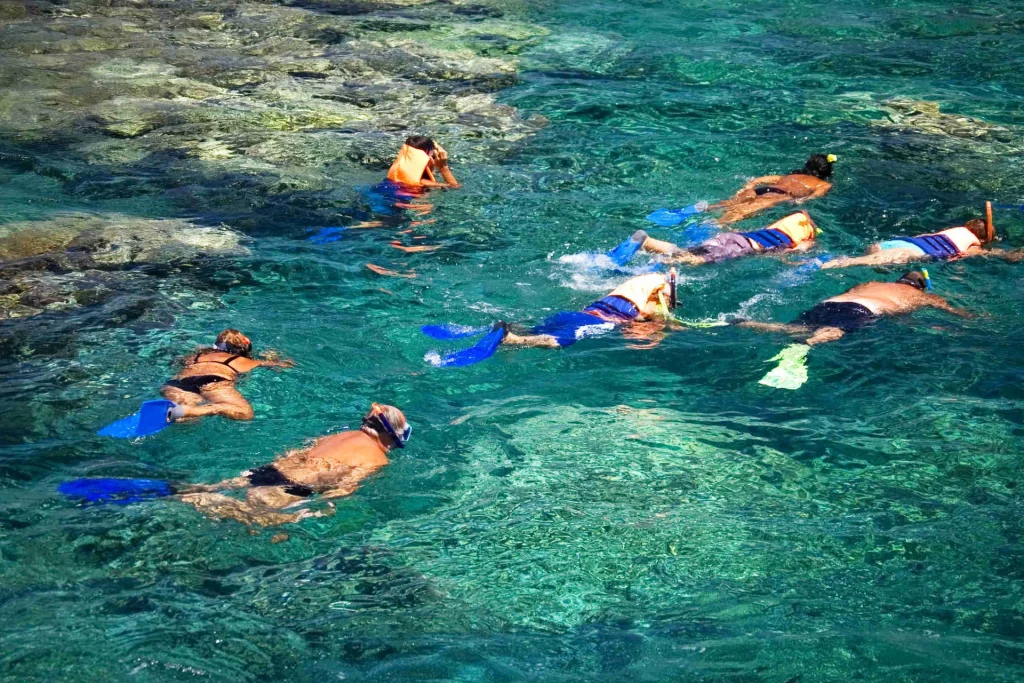
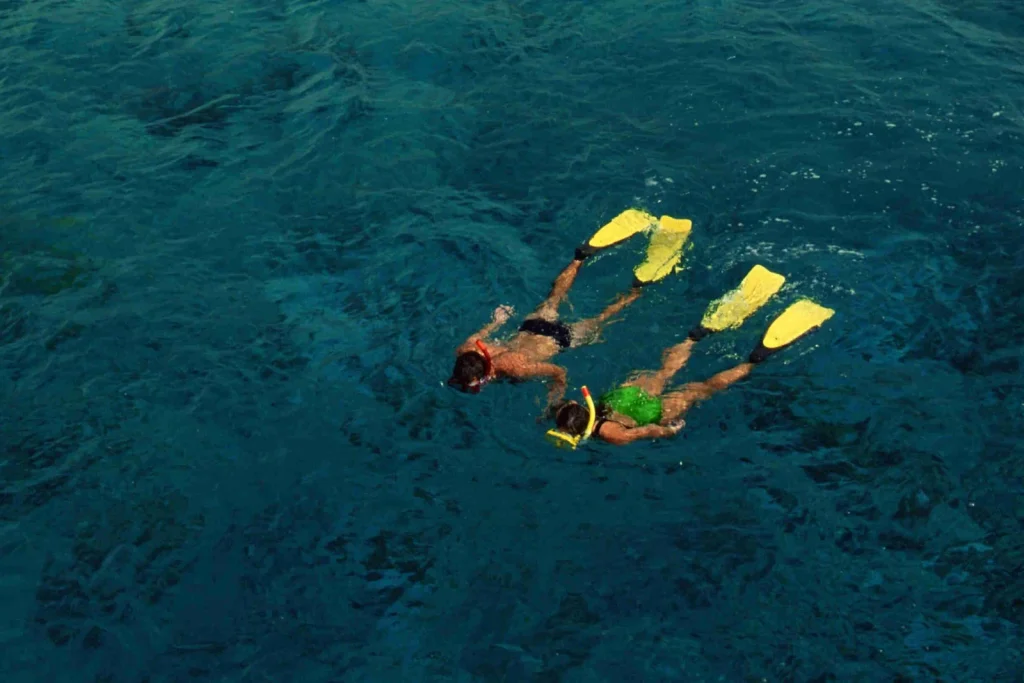
There’s a whole world under the surface off Playa Potrero, and the best part is how little it takes to see it. No tank, no certification, no experience — just a mask, a snorkel, and the willingness to put your face in the water. Within a minute you’re floating over volcanic rock and sand, watching a pufferfish drift along the bottom and small fish pick through the reef.
Guanacaste’s Gold Coast is one of the most accessible places in Costa Rica to snorkel, and Potrero sits right in the middle of it. Here’s the honest local guide — where to go, what to actually expect, and how to make the most of the water here.
Set Your Expectations First
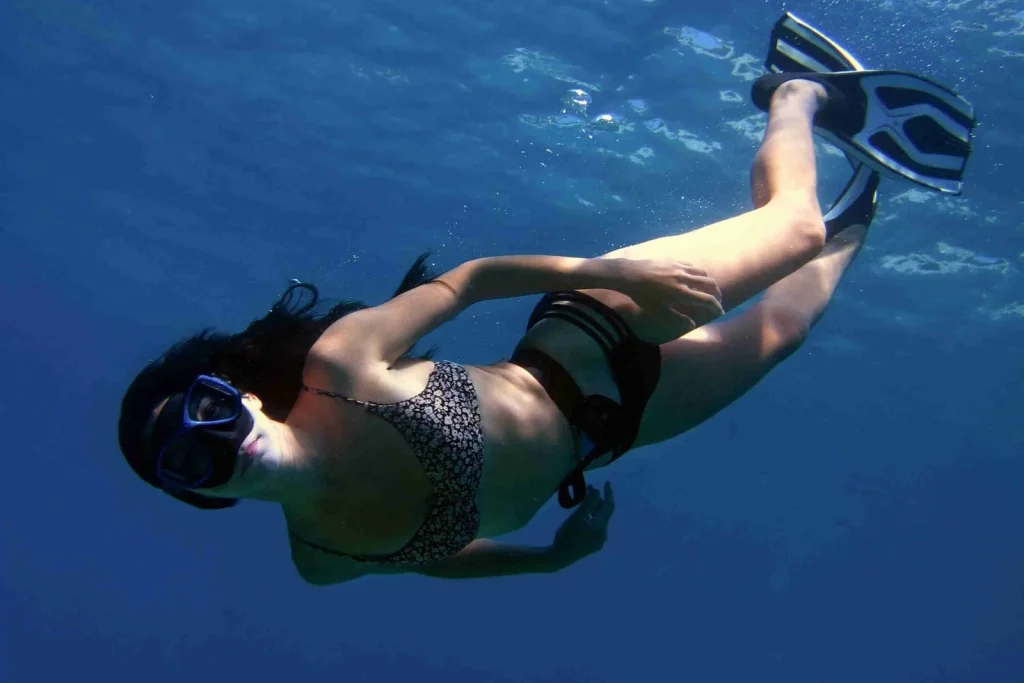
Let’s be straight with you up front, because it’ll make your snorkel day better: the Pacific coast of Guanacaste is not the Caribbean. If you’re picturing bathtub-clear turquoise water and clouds of neon reef fish, that’s a different coast. The water here is greener and more productive, the visibility swings with the conditions, and the show is a different kind of good.
What this coast does have is rich, rocky-reef life — and if you know what you’re looking for, it’s genuinely fun to explore. Octopus tucked into the rocks, pufferfish drifting along the bottom, moray eels, urchins, sea stars, and the schools of smaller fish that thrive in this kind of volcanic-reef habitat. It’s less “swim through a postcard” and more “hunt for cool creatures,” and once you shift your expectations, it’s a great way to spend a morning in the water.
Snorkeling From the Beach
You don’t need a boat to get in the water. The best beach snorkeling right around here is at Playa Penca — head all the way toward either end of the beach, where the rocky outcroppings are, because that’s where the sea life concentrates. The sandy middle won’t give you much; the rocks are the whole game.
Over in Brasilito, the entrance to Playa Conchal is the spot — right where you come in, before the beach opens up. Like Penca, it’s the rocky edges that hold the life, not the open sand.
The honest caveat with shore snorkeling is that it’s completely at the mercy of conditions. Visibility close to the beach swings with the surf, the tide, and runoff after rain, so some mornings are clear and some are murky. The rule of thumb: the calmer and clearer the water looks from the sand, the better it’ll be under it — and early morning, before the wind comes up, is almost always your best window.
Going Offshore on a Boat Trip
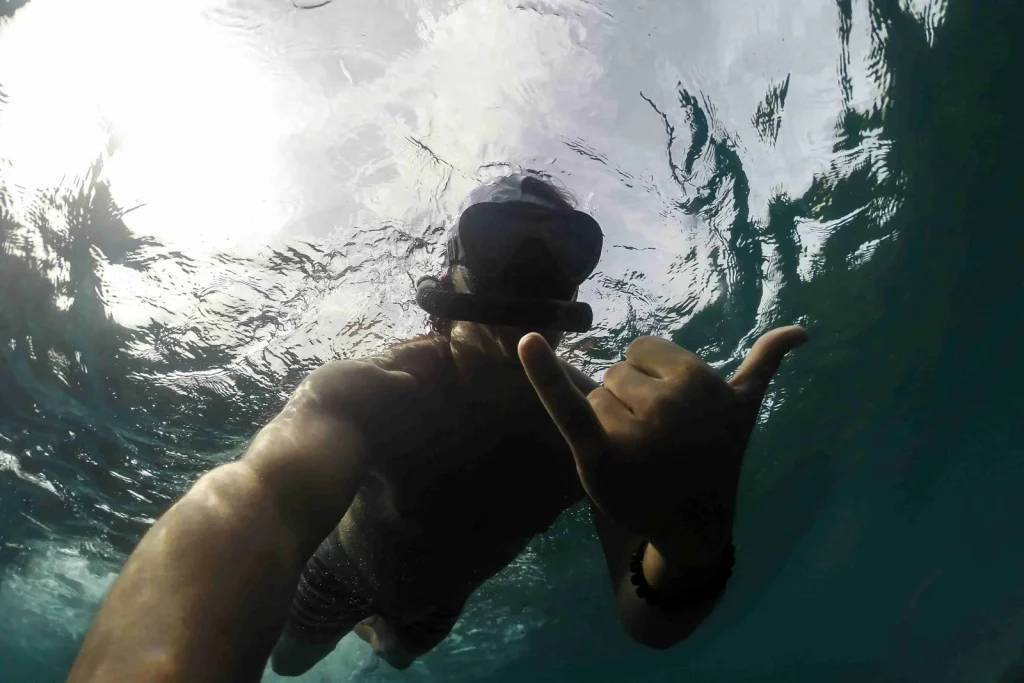
A guided boat trip gets you to spots the shore snorkelers never reach — rockier reefs and islands with more structure, more fish, and better water than you’ll usually find off the beach. It’s the upgrade: clearer conditions, denser life, and a guide who knows which spot and which side to pick for the day.
We’ll still set expectations honestly here, because we’d rather you book the right thing than be disappointed. Even offshore, this isn’t the Caribbean — you’re not going to get walls of rainbow fish over white sand in glassy turquoise water. What you get is the best version of what this coast offers: healthier reefs, better visibility than the beach, and a strong shot at turtles, rays, bigger schools of fish, and the rocky-reef creatures that make snorkeling here worthwhile. Go in wanting that, and it delivers.
When to Go
Here’s the honest version of the seasons. The dry season, roughly December through April, brings the calmest, clearest water and the most reliable snorkeling — the easiest time to plan around, both from shore and by boat. The wind tends to pick up in the afternoons, so mornings are your friend year-round.
The green season, from May into the fall, is more of a mixed bag: the rains can cut visibility near shore, but the water’s often warmest and the reefs are lively, and a boat trip can still find good water on a day the beach is murky. If snorkeling is a priority for your trip, aim for dry-season mornings — but don’t write off a green-season boat trip.
A Few Tips Before You Go
A good snorkel day is mostly about small stuff. Go in the morning, before the wind chops up the surface and stirs the water. Check that your mask actually seals before you’re floating over the reef — a leaky mask ruins a good day faster than anything. Wear reef-safe sunscreen or, better yet, a rash guard, because the back of your neck and legs will cook while you’re face-down and distracted. And never touch or stand on the reef; beyond the conservation reason, plenty of what’s down there stings, bites, or scrapes.
Most of all, slow down and look closely. The people who see the most here aren’t the ones covering the most water — they’re the ones who hang quietly over a rocky patch and spot the octopus that was invisible ten seconds ago. On this coast, snorkeling rewards the patient explorer.
Ready to Get in the Water?
Snorkeling off the beach at Penca or Conchal is a great way to start, but a guided boat trip gets you to the better water and the better reefs — and takes care of the boat, the gear, and finding the day’s clearest spot. Come explore what’s under the surface with a crew that knows exactly where to look.