

Palo Verde National Park: Guanacaste’s Wild Heart on the Tempisque River
A crocodile the length of a canoe slides off a mudbank and disappears without a ripple. Overhead, a flock of roseate spoonbills lifts off the water in a wash of pink. Somewhere in the trees a howler monkey starts up — that low, guttural roar that sounds nothing like an animal the size of a house cat. You’re maybe twenty minutes into the boat ride, and Palo Verde has already shown you more wildlife than most people see in a week.
This is one of the best-kept secrets in Guanacaste — a national park most visitors drive right past on their way to the beach. That’s a mistake we like helping people fix.
What Palo Verde Actually Is
Palo Verde National Park protects one of the most important wetland systems in Central America. It sits in the lower basin of the Tempisque River, where the water slows and spreads out before reaching the Gulf of Nicoya, and that seasonal flooding is the whole secret to the place. When the dry season sets in and water gets scarce across Guanacaste, Palo Verde’s marshes become a refuge — and every bird, reptile, and mammal for miles concentrates here.
The result is a density of wildlife that’s hard to believe until you’re floating through it. The park spans a patchwork of habitats — freshwater marsh, mangroves, seasonal lagoons, and tropical dry forest — packed into a relatively compact area. That mix is exactly why it holds so much life, and why a slow boat down the river is the best seat in the house.
A Birder’s Paradise (Even If You’re Not a Birder)
Palo Verde is one of the premier birding destinations in Costa Rica, and you don’t need to own a pair of binoculars to be floored by it. This is one of the largest concentrations of waterfowl and shorebirds in Central America — herons, egrets, jabiru storks, roseate spoonbills, wood storks, kingfishers, and the seasonal wave of migratory birds that arrive from the north. During the dry season, the shrinking water forces enormous numbers of them into the remaining marshes, and the sight of thousands of birds working a single lagoon is something you don’t forget.
There’s even an island in the river — Isla de Pájaros, “Bird Island” — that serves as one of the most important nesting sites in the region. Drifting past it at the right time of year, with the trees full and the air loud, is the kind of thing that turns casual visitors into birdwatchers on the spot.

The Wildlife Beyond the Birds
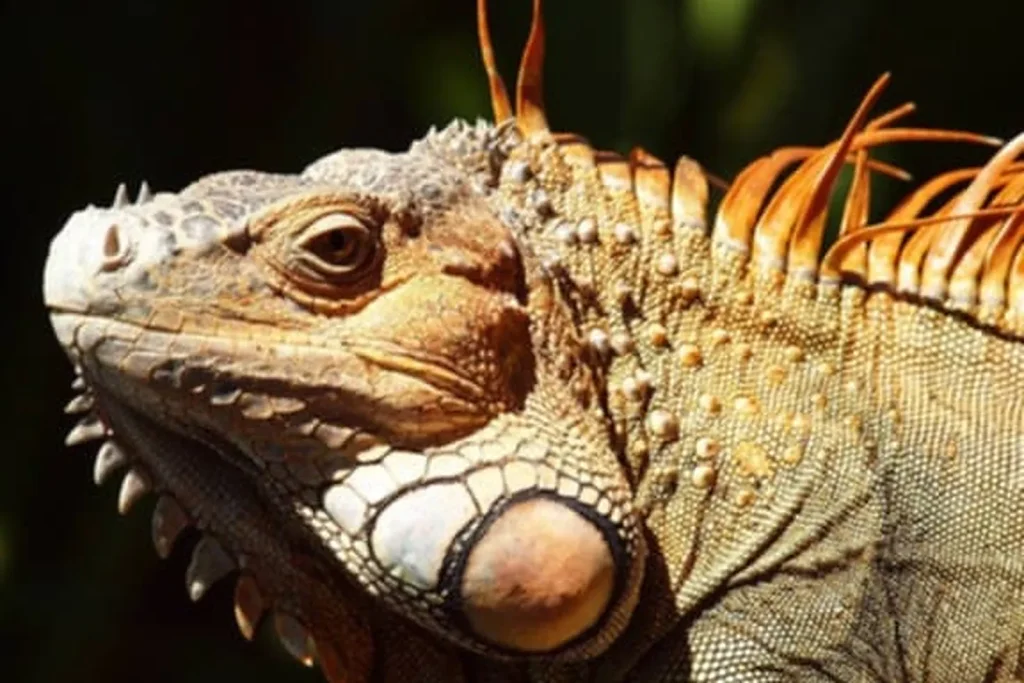
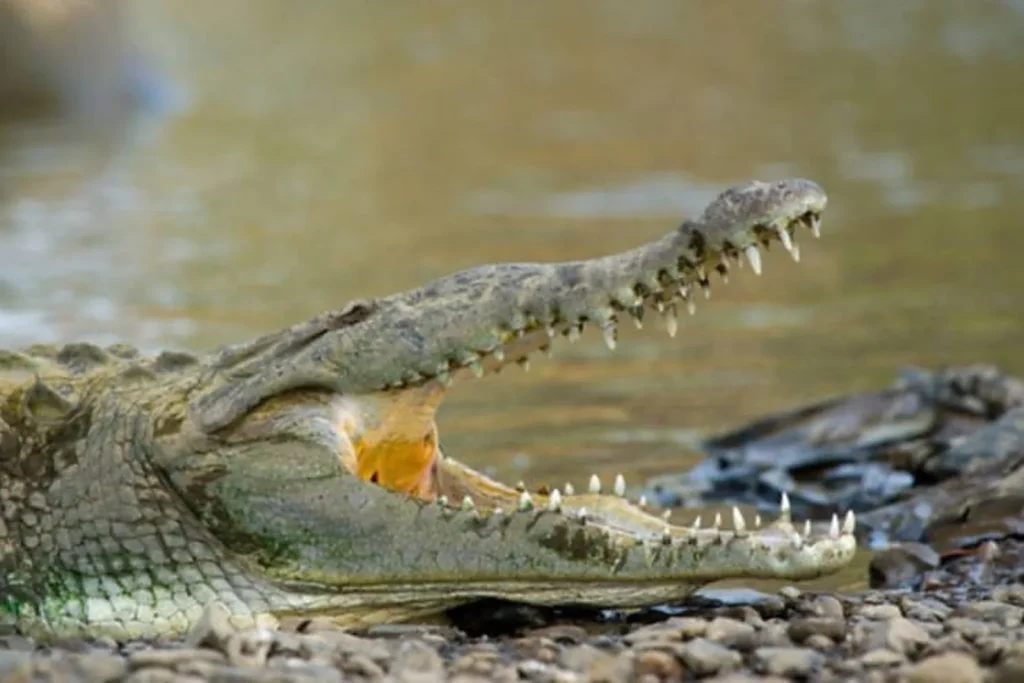
The birds get top billing, but they’re far from the whole show. American crocodiles are the park’s signature reptile — big, prehistoric, and easy to spot sunning themselves along the banks, and the Tempisque holds a healthy population of them. Green iguanas drape over the branches overhead. White-faced capuchin and howler monkeys move through the canopy along the shoreline, and if you’re lucky, you’ll catch coatis, deer, or the flick of something larger back in the dry forest.
What makes it all so watchable is the boat. From the water, you drift up on animals that would scatter if you approached on foot, and the slow pace gives you time to actually see them — not a blur through a car window, but crocodiles at eye level and monkeys directly overhead. It’s wildlife viewing without the hiking, the heat, or the guesswork.
When to Go
Here’s the honest version. Palo Verde is a year-round park, but it is not the same park in every season, and for wildlife viewing the dry season wins decisively. From roughly December through March, the water pulls back, the animals concentrate around what’s left, and the sightings get dense and reliable. This is peak season for a reason — if wildlife is why you’re going, this is when to go.
The green season, from May onward, floods the wetlands back out. The park turns lush and the birdlife shifts, but the animals spread out across all that new water, so sightings are less concentrated. It’s still a beautiful trip — greener, quieter, fewer people — just a different experience. If you’re building your Guanacaste itinerary around Palo Verde specifically, aim for the dry months.
Getting There from the Coast
Palo Verde sits inland from the Gold Coast beaches, about an hour and twenty minutes from Playa Potrero. The drive itself is part of the day — you leave the coast behind and roll through the Guanacaste countryside, past open cattle land and fields of sugarcane, watermelon, and cantaloupe, before reaching the river. It’s a genuine change of scenery from the beach towns, and it’s what makes Palo Verde feel like a real expedition rather than a quick errand.
The catch is that the park’s boat launches aren’t especially easy to find on your own, and the wildlife you see depends entirely on knowing where and when to look on the river. That’s the difference between drifting past an empty bank and idling under a tree full of monkeys — and it’s exactly what a good local guide is for.
See It With Us
You can absolutely visit Palo Verde on your own, but the easiest — and honestly the most rewarding — way to experience it is on a guided river tour that handles the whole day for you. Our Palo Verde River Tour picks you up right from your hotel on the coast, drives you out through the countryside, and puts you on the water with a bilingual naturalist guide who knows the river and the wildlife on it. Two hours on the Tempisque, a traditional Costa Rican lunch after, and back to the beach by early afternoon.
It’s the whole park, without the logistics — and it might just be the best day you spend off the sand in Guanacaste.